
I first heard the tune on a recording by Sprangeen in the early 1980s. An all-female band that included the harp duo that would become Sileas, the diverse lineup included flute and concertina player Ann Ward. If you haven’t heard it, it’s worth checking out.
 At that time very few people had recorded Scottish traditional music on the flute and it became became an inspiration for me as a beginner on the instrument. Later on I had the good fortune to play alongside Ann and for a couple of years the Thursday flute and whistle classes that became FluteFling were held in her house in Edinburgh. On that recording she plays Boehm system flute, but she also plays wooden flute as well as cello.
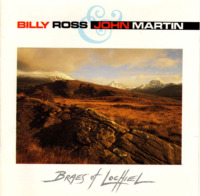 A popular tune, there are many more recordings, but I next heard it by fiddler John Martin recorded it with singer guitarist Billy Ross on The Braes of Locheil. The two had been half of the Ossian lineup for two recordings and Billy Ross sings the song in Gaelic (Braigh Loch Iall), which is where the melody originally derives.
This BBC Alba link is to a setting of it sung by Art MacCarmaig and the Tobar and Dulchais/ Kist o’ Riches web site has 17 entries, including this one, sung by Captain Donald Joseph MacKinnon of Barra.
 Another flute player to have recorded the tune is Belfast’s Desi Wilkinson, who plays a highland pipe setting on Shady Woods. He plays it in a staccato manner using tonguing for emphasis that suits the pipe march rhythm.
The tune itself first appeared in the Simon Fraser Collection that was published in 1816, but much of which was collected in the late 18th Century. There are reprints of it but a scanned PDF of it is available from the Petrucci digital archive of public domain music. One of my favourite earlier collections, many of the tunes are accessible to whistle and flute.
There is more on the background of the tune at the Tune Archive.
Resources for this tune are available on the Resources page for the classes.
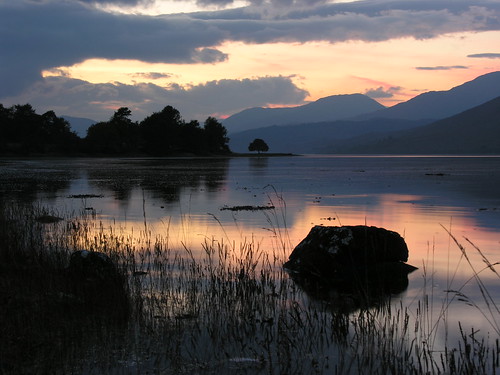
Photo: Sunset on Loch Eil by Duncan McNeil, some rights reserved.

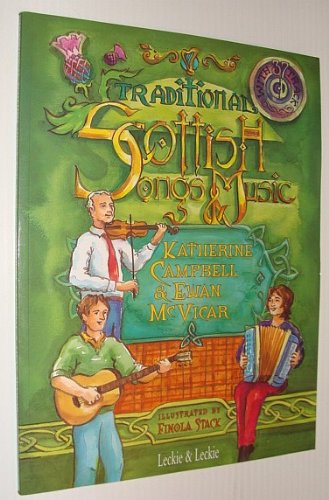 However, there is evidence that the melody goes back further than that. Katherine Campbell and Ewan McVicar include it in their schools’ anthology, Scottish Traditional Songs and Music. There is it called Sherramuir March or The Stewart’s March. It was originally a pipe tune with 9 parts entitled Gabhaidh Sin An Rathad Mór (We Will Take the High Road), and associated with the MacIntyres of Cruachan, Argyll. The Stewarts of Appin then claimed it and played it when returning from the Battle of Pinkie in 1547. The Gaelic title refers to the Battle of Inverlochy of 1644.
 Tarbolton in Ayrshire has strong associations with Robert Burns, so it is sometimes a surprise to discover a very popular Irish reel that bears its name. The Tarbolton — sometimes called The Tarbolton Reel — was popularised by County Sligo fiddle master Michael Coleman in a set that is often played today.