The summer term began this week with another gentle Scottish rowing tune.
Caol Muile (The Sound of Mull) or The Iona Boat Song is a Scottish Boat Song intended to assist with the steady rowing rhythm required to cross the stretches of water that link the islands, these are possibly very old tunes. The words for them have been lost but, as with The Skye Boat Song, words have sometimes been added in more recent times.
The excellent archive web site Tobar an Duchais/ Kist o’ Riches has a field recording of Hugh Duncan of Islay singing a version in Gaelic that was collected in 1953. The words were composed by Rev. John MacLeod of Morvern. There are links to other versions of the song on the site from about 30,000 different field recordings in total.
Another author was Sir Hugh S. Roberton, founder of The Glasgow Orpheus Choir. His words evoke the spiritual heritage of the island which has been a final resting place for many saints, leaders and royalty of Scotland.
I taught this tune with the Scots Music Group a couple of years ago. See the Resources page for this class for the music. Our setting owes something to the excellent Ceòl nam Fèis tunebook published by Fèisean nan Gàidheal.
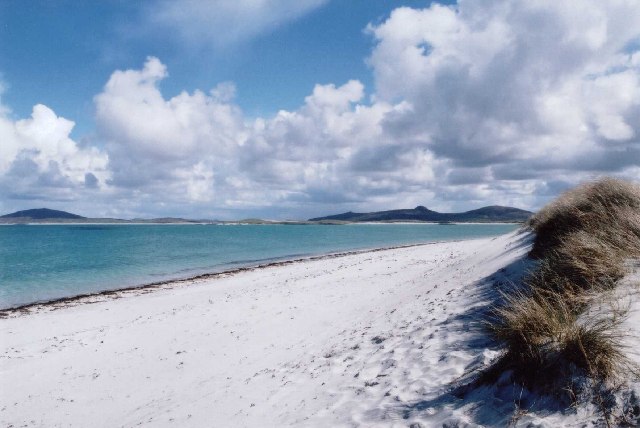
Photo of Iona by Jim Barter, some rights reserved.